
01 · Build a School
From an unsafe classroom to a lasting school
- IdentifyCommunity and site
- ApprovePlans and permissions
- BuildTracked milestones
- EquipLearning-ready rooms
- ReportEvidence and outcomes
Faith · Love · Opportunity · Wisdom
Flow Foundation is a South African non-profit building the foundations children need, from the first classroom to the first job. We partner with companies, government and municipalities to deliver measurable, lasting change in under-resourced communities.
Our mission
A child’s formative years are the best window to secure good outcomes later in life. We take a struggling early childhood development centre and help make it functional, compliant and self-sustaining, then connect children and young people to learning, culture and work.
Open each commitment to see what Flow did at Sunbeam, what stood in the way and how we got past it.
Delivered · two goals to go
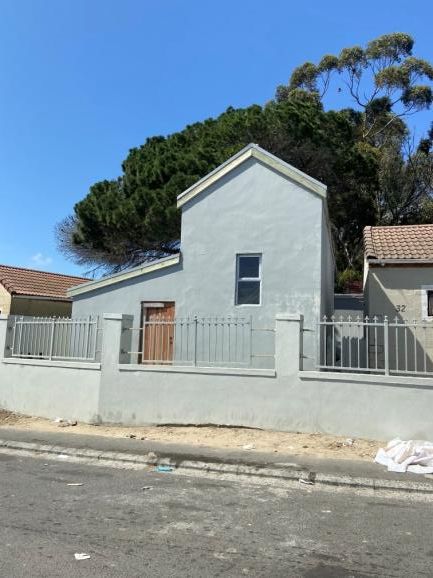
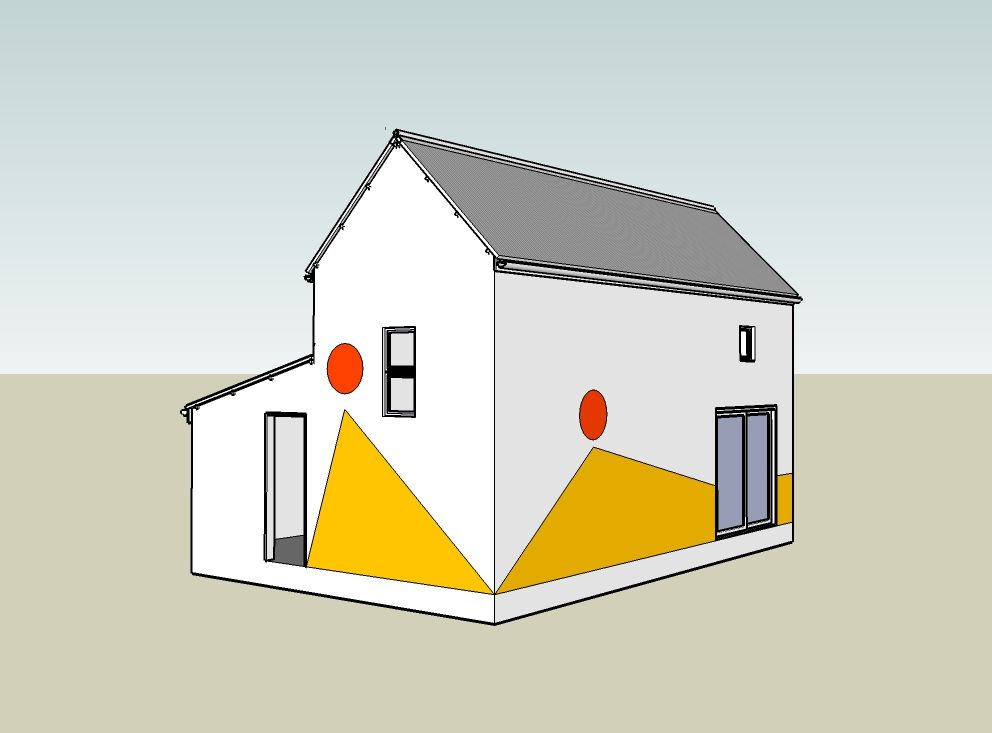
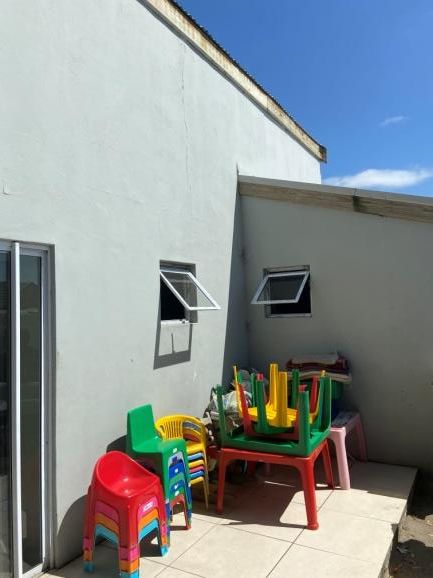
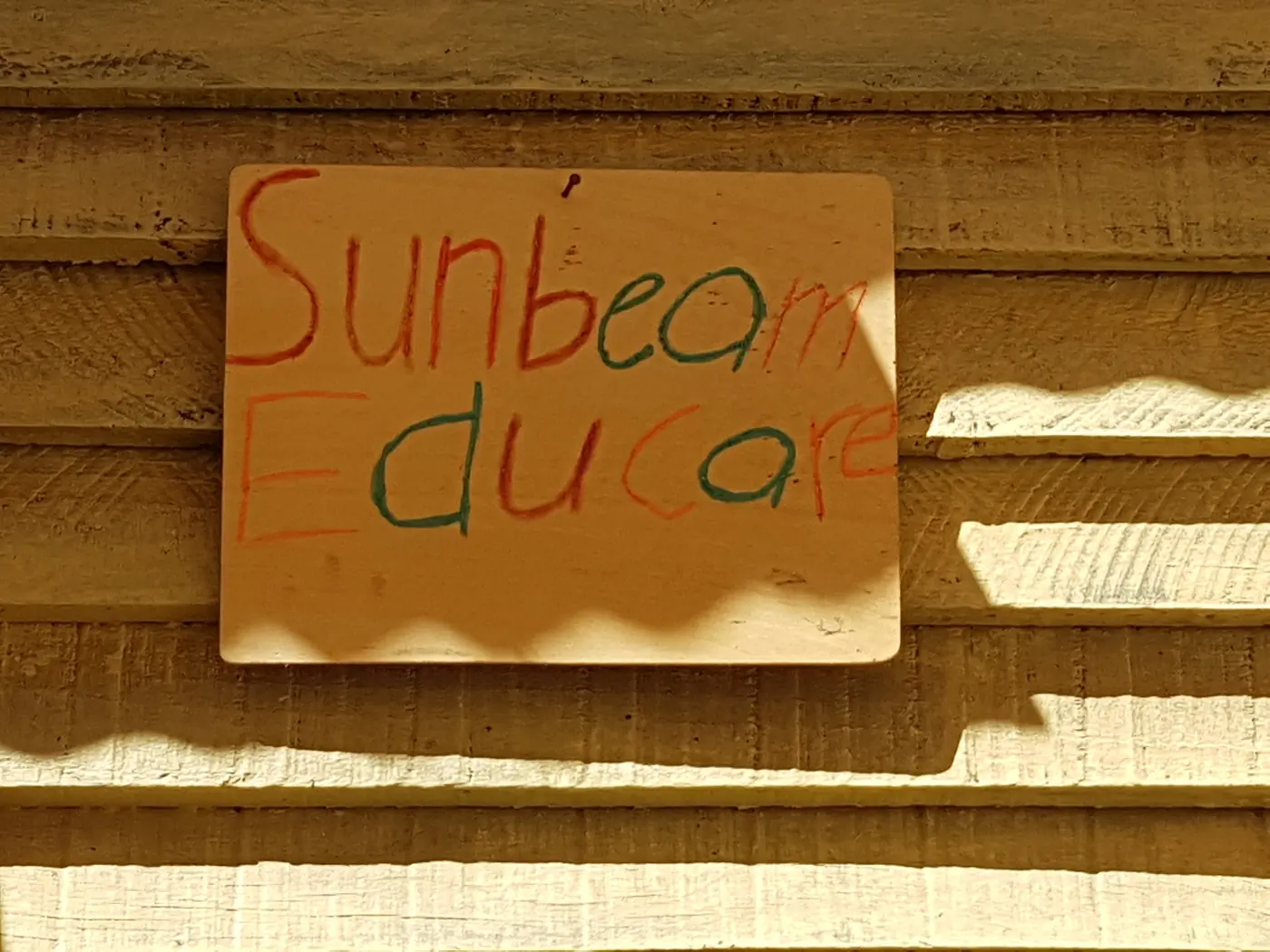
What we did. Replaced two informal wooden structures and an outhouse in Westlake with a permanent double-storey blockwork centre, for under R300,000. The main structure went up between October 2019 and January 2020, and the centre is in use.
The challenge. A limited budget, a teacher living in one of the informal structures on the same site, and council-approved drawings for a prefab panel building that no longer matched the plan.
How we got past it. We compared prefab, container and blockwork and chose blockwork so the centre would last. A loft gives the teacher a home in the new building. Volunteers and donors gave labour, tiles and tools, and revised plans went back to council in November 2022. A funding shortfall and a long disruption held up the finishing (21 items, costed at R130,050 in October 2022), which has since been completed apart from the exterior paint and mural. Two goals remain: free Wi-Fi and a TV with an ECD channel linked to the children’s classes (R45,000), and paint for the outer walls of the current building with a contribution to the artist who designed the mural (R35,000).
Sunbeam ECD building summary, 2022 · Outstanding items list, Feb 2020 · Council submission, Nov 2022 · Snag list, Oct 2022 · Founder confirmation, Oct 2026 Follow the 27-step buildIn progress
What we did. Flow’s 2024 agreement with Sunbeam commits Flow to training sessions for the principal and to educational resources such as toys, posters and equipment. In return, the centre builds reading, counting, play, dancing, singing and art into its weekly plans. Our partner NGO, Orphan Care Foundation, supports early childhood development alongside Flow at Sunbeam.
The challenge. Flow’s 2022 strategy session put it plainly: teachers need resources and information they would not normally have access to, and support to use them.
How we got past it. We bring the training and materials to the centre rather than asking the teacher to leave it. The next step is a structured curriculum, with each child’s progress monitored and recorded.
Flow–Sunbeam MOU, 2024 (draft on file) · Flow strategy session, 2022 See the ECD Support NetworkIn progress
What we did. We put simple systems at the heart of the centre: every child registered, every parent payment recorded in a receipt book, and clear routines for hygiene, cleaning and storing food.
The challenge. A centre can only reach the resources open to registered ECDs once it is compliant and registered. Flow’s 2022 strategy names this as the first goal for every centre we seed.
How we got past it. The routines are written into the 2024 agreement, so both sides know what is expected. Sunbeam will be the first pilot of the ECD Support Network, which will take it through registration and record what that takes.
Flow–Sunbeam MOU, 2024 (draft on file) · Flow strategy session, 2022 How the registration pilot worksFood support delivered · garden still the aim
What we did. Flow committed to a monthly food donation through 2024. The centre serves a daily portion on every school day and stores the month’s supply safely.
The challenge. Many young children in South Africa do not get the nutrition they need to reach their potential. A centre that runs on small fees cannot always guarantee a meal.
How we got past it. A steady monthly supply, with storage and serving routines agreed in writing. Growing vegetables on site is still the goal and has not been delivered yet.
Flow–Sunbeam MOU, 2024 (draft on file) · Flow purpose statement, 2022In progress
What we did. The 2024 agreement asks the centre to register each child, give a receipt for every payment and assess children to monitor their progress. Those records are what make regular feedback to parents possible.
The challenge. Feedback is only as good as the records behind it. Without assessments, a parent hears how their child is doing, but cannot see it.
How we got past it. We started with the records and assessments. Flow’s impact data partner, Wellbi, provides the tools to track attendance, assessments and child development, so progress can be shared with families.
Flow–Sunbeam MOU, 2024 (draft on file) · Flow board agenda: “Measured results (Assessment)”Delivered · ongoing
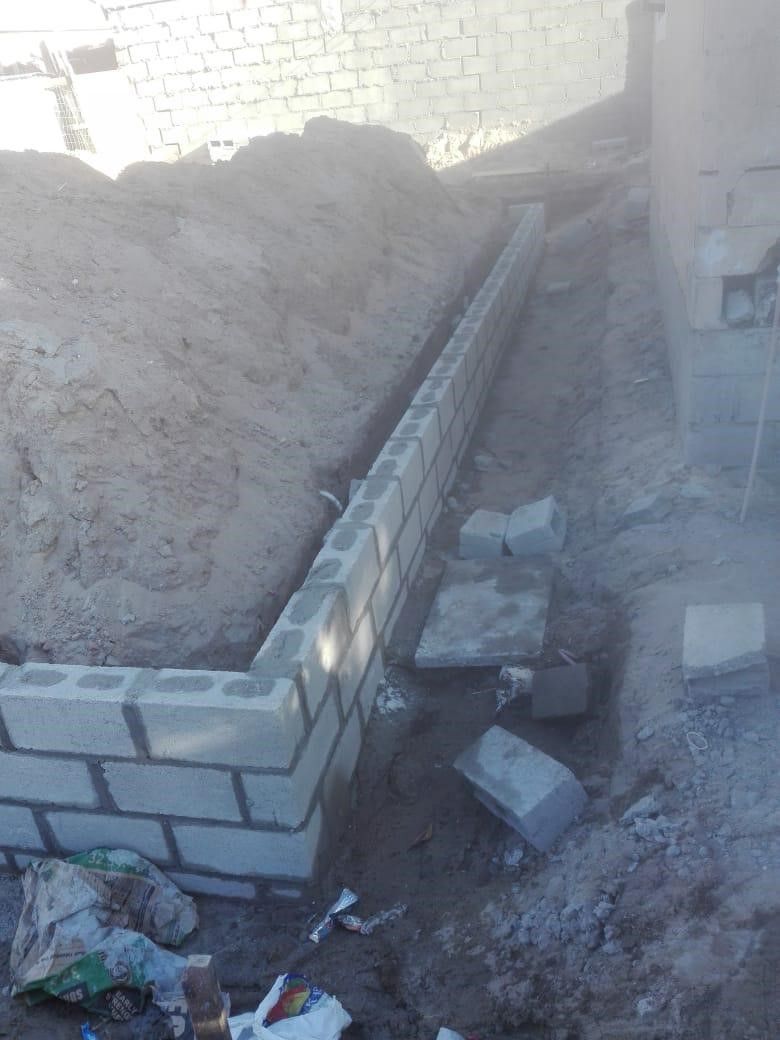
What we did. Community members signed the building papers themselves. Every construction step was photographed and dated, council submissions are on record, and the 2024 agreement sets out in writing what Flow and the centre each commit to. Flow’s co-founders take no salary.
The challenge. When a project runs for years, donors, the community and the centre’s owners need to see where the money went and what is still outstanding.
How we got past it. We publish dated figures and the work still to do. Sunbeam’s finishing is complete apart from the exterior paint and mural, and its two open goals, connected learning at R45,000 and the mural at R35,000, are shown wherever Sunbeam appears.
Build photos and milestone plan, 2019–2022 · Snag list, Oct 2022 · Flow strategy session, 2022 · Founder confirmation, Oct 2026 See our governanceOur story
Founded by volunteers in 2015, Flow Foundation SA was registered as a non-profit company in 2017 (2017/347558/08). In December 2017 it signed a memorandum of understanding with the Italian Motorcycle Owners’ Club of Cape Town Charity Toy Run Trust.
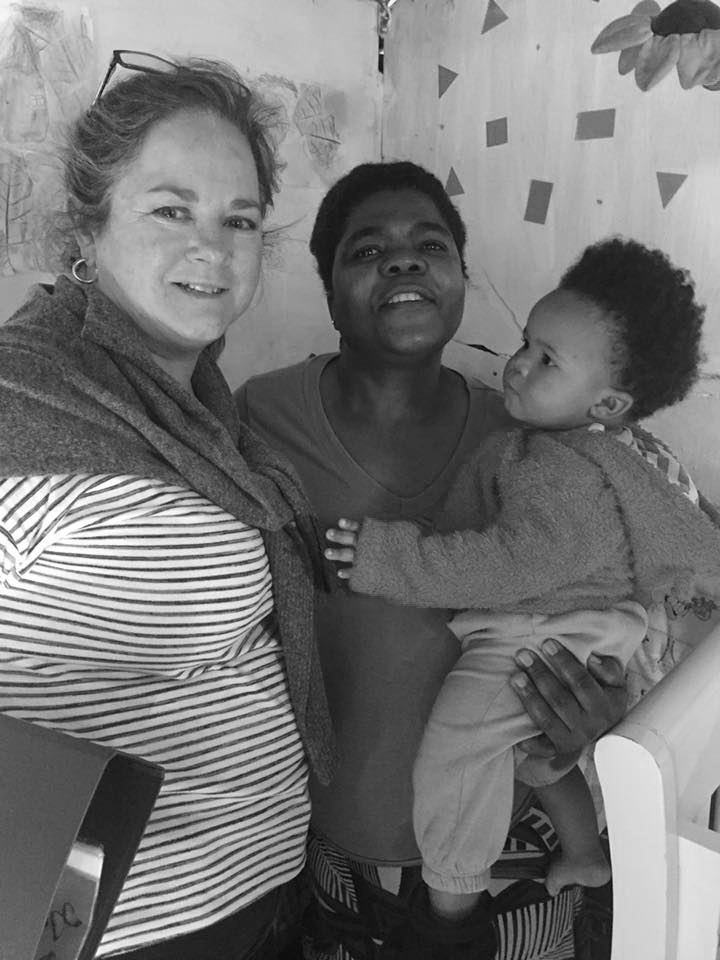
Two informal structures and an outhouse became a double-storey blockwork centre. The main structure went up between October 2019 and January 2020, and the centre is in use. The finishing work has been completed apart from the exterior paint and mural (R35,000); the other open goal is free Wi-Fi and a TV with an ECD channel linked to the children’s classes (R45,000).
Riders, volunteers and supporters raising funds and awareness, and bringing gifts to children at the end of the year. Order the jersey or sponsor a spot →

The Build a School campaign priced the next centre in bricks: R20 a brick, about 15,000 bricks a building. Sunbeam’s remaining snag list, costed at R130,050, has since been completed.
From one centre to systems: connected learning from ECD to Grade 12, youth precincts, and pathways into work. Each project is open to partners now.

The evidence
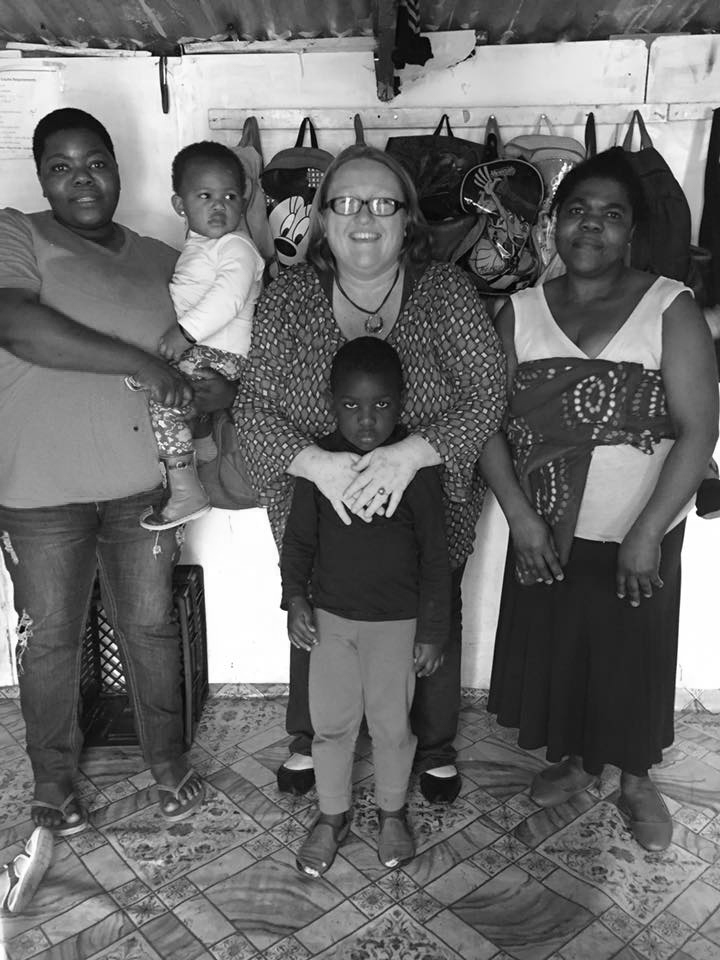
Sunbeam is not a rendering or a promise. It is the story of a community, volunteers and friends—including David’s hockey circle—turning an informal crèche into a permanent place to learn.
Watch the people, place and persistence behind the build.


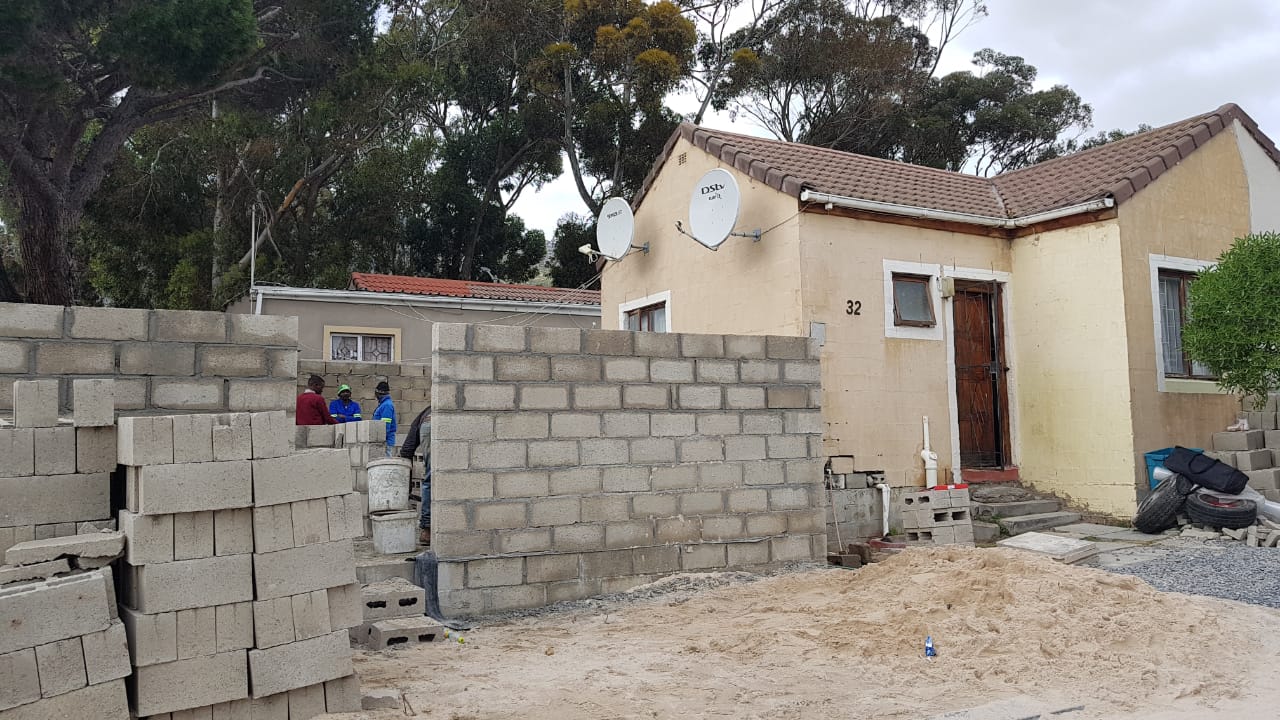
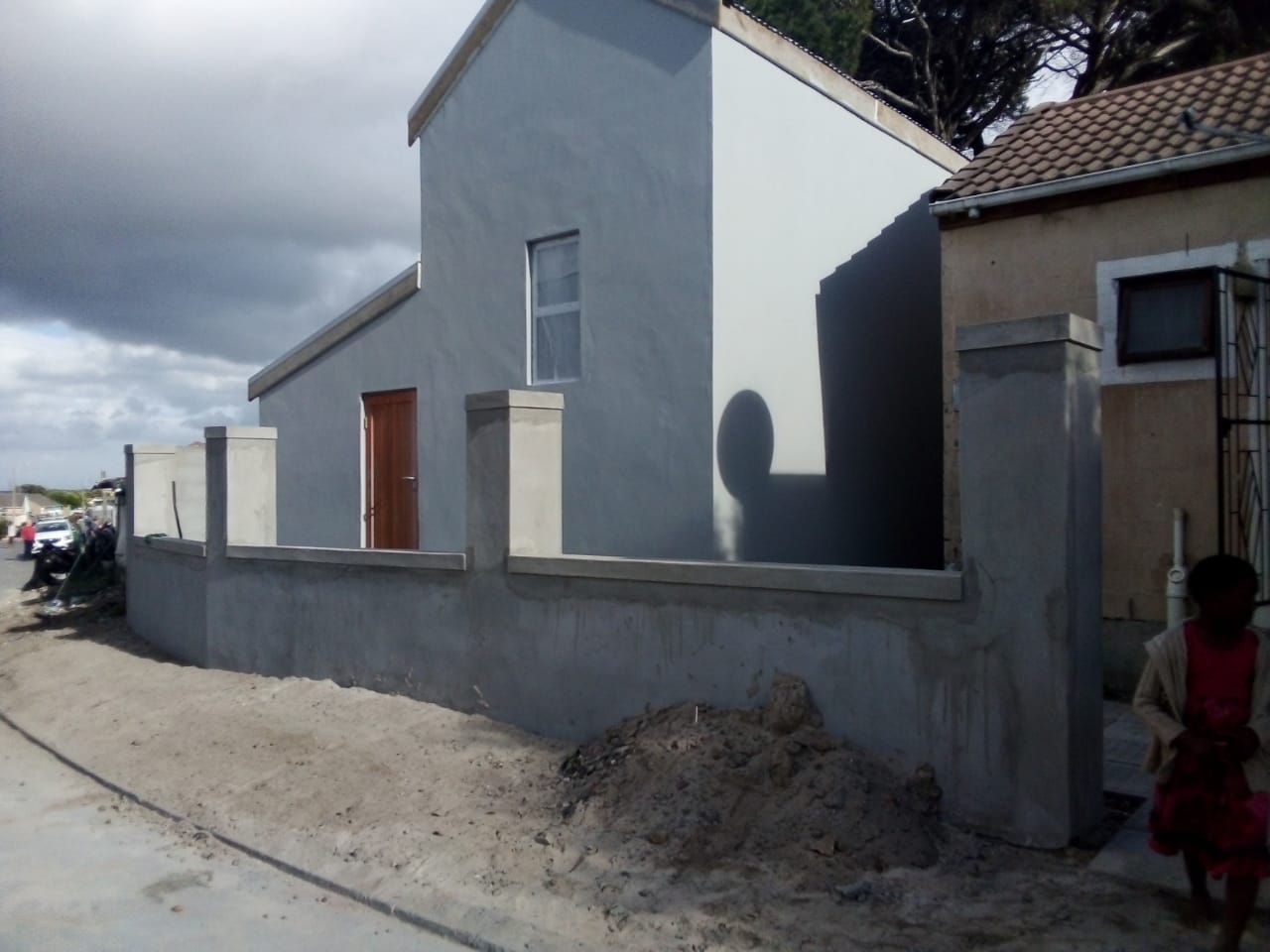

Images are from the Flow Foundation and Sunbeam archive. Photographs are framed to keep people’s faces visible; proposed programme imagery elsewhere remains clearly labelled as concept work.
Programmes
Each programme offers a practical point of entry for corporate social investment, brand partnership or operational support. The opportunity and reporting approach differ by project, so companies can choose the fit between social outcome, business relevance and readiness.
End-to-end pathways
Choose a pathway to see the delivery journey, then open the full project story, operating model or partnership opportunity.
01 · Build a School

02 · Flow Connect & EduPod
 Stronger centres and educators
03 · ECD Support Network

04 · Kulcha Kolektiv

05 · Flow Home
A permanent early learning centre, taken from agreement and council approval through construction to a safe, working classroom. Sunbeam in Westlake is the first; the model is ready to be costed for a second community.
Building materials, construction milestones, finishes and classroom equipment, or Sunbeam’s connected-learning milestone.
A visible community asset, with dated evidence for each construction milestone and a direct line between funding and delivery.
A permanent learning space in place of informal structures, and a safer place for educators to teach.
Where it stands
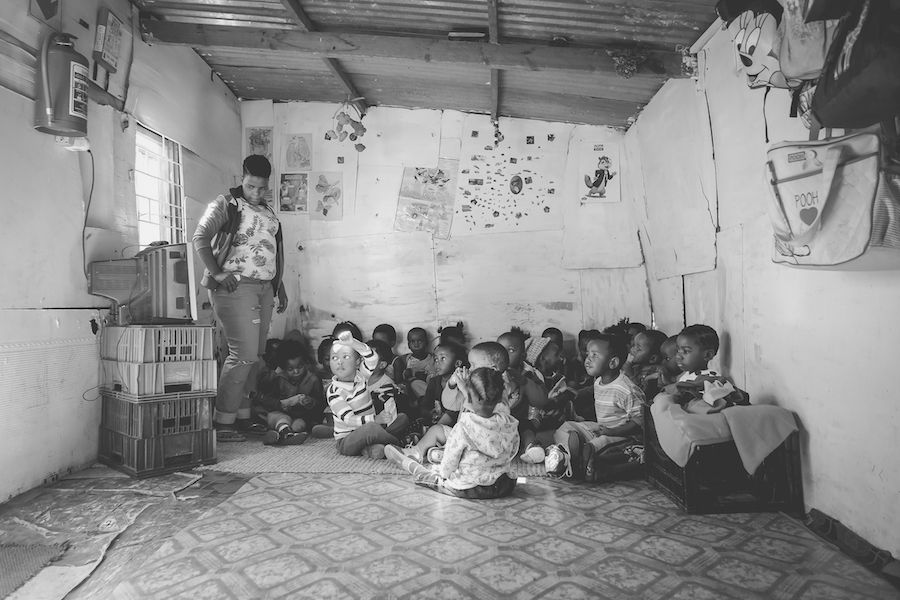
The first five years shape a child’s learning for life, yet some centres, like Sunbeam, start in rooms that were never built for children.
Sunbeam began in two informal wooden structures and an outhouse in Westlake. Flow chose to replace them with a permanent blockwork building rather than a prefab or container, so the centre would last and could be registered and maintained.
Across South Africa, children who attend early learning programmes still arrive at school unevenly prepared, and the gap follows household income.
The owner applies for council consent to run an ECD centre; operators commit to registration training and a maintenance reserve.
Prefab, container and blockwork options are compared. Sunbeam chose blockwork for permanence.
An architect draws the plans to the building regulations and they go through council approval.
From trenches and foundations to walls, roof, services and finishes, each step photographed and dated.
Playground, landscaping, shade and the artist’s mural turn a building into a place children want to be.
Food support, maintenance, educator training and a twice-yearly review keep the centre working.
Sunbeam’s main structure went up between October 2019 and January 2020. The centre is complete and operating. Two goals remain: free Wi-Fi and a TV with an ECD channel linked to the children’s classes, and exterior paint with the mural on the current building.
| Fund | What it pays for | Amount |
|---|---|---|
| A brick | The campaign unit anyone can give: one of about 15,000 symbolic bricks that make up a centre’s budget. | R202022 campaign |
| Paint Sunbeam’s mural | Exterior paint for the outer walls of the current building, and a contribution to the artist who designed the mural. | R35,000Oct 2026 |
| Connect Sunbeam | One of Sunbeam’s two open goals: free Wi-Fi and a TV with an ECD channel linked to the children’s classes. | R45,000Oct 2026 |
| A construction milestone | Sponsor a stage of a new build, such as foundations, the roof or the classroom fit-out, with photos when it is done. | Scoped with you |
| A whole centre | A turn-key double-storey centre like Sunbeam, from approvals to handover. | R450,0002026 allowance, confirmed per site; Sunbeam cost under R300,000 |


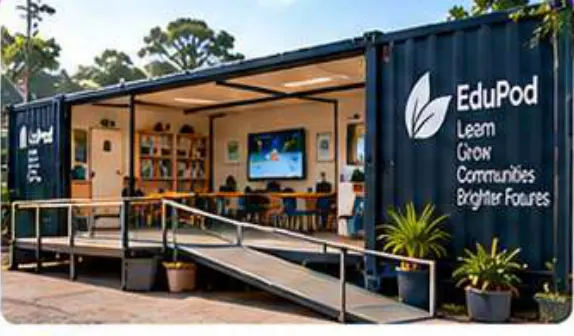
A secure, fully equipped local learning space built from one standard 40 ft classroom container and one standard 20 ft support container. The base EduPod includes TVs, tables and chairs, while full-width roller-shutter fronts make it easy to open for learning and secure at lock-up time.
A learner kit, a connected classroom or a whole EduPod, plus connectivity, approved content and local facilitator roles.
A measurable role across the education journey, with access, participation, progress and delivery reported back.
Learning moves closer to the child, and qualified educators in the community gain meaningful local work.
Where it stands
A child’s postcode should never define their future. Four barriers reinforce each other: school capacity, distance, the cost of data and the lack of adult support.
The biggest are the cost of mobile data and the absence of guided supervision after school. At the same time, qualified educators already live in these communities and need work. Flow Connect is designed to bring the two together.
A safe, solar-powered EduPod near home with free Wi-Fi, open with trained facilitators. Tablets stay locked in to charge overnight.
One recognised learner profile that follows the child from stage to stage.
Curriculum-aligned content from early learning to matric. Local teachers prepare lessons at home in their own language and stream them to many pods at once, played on the pod TV. See how
Milestones are verified and shared with families; achievement earns rewards. In Phase 1, rewards are data and airtime only: no cash-out, no transfers and no stored value.
In high school: career guidance, bursaries, certifications and work readiness.

The standard physical configuration uses a 40 ft classroom container with a 20 ft support container. Both fronts use lockable roller-shutter doors for secure, easy open-and-close operation. TVs, tables and chairs are included in the equipped base build. Tablets, portable outdoor screens, Flow Connect and Wi-Fi are optional additions, scoped with each partner.
| Fund | What it includes | Amount |
|---|---|---|
| Equip a learner | A kit across five themes: learn (books, stationery), connect (a tablet with case and headphones), create (art materials), play (games and sport) and belong (bag and clothing). | Scoped with you |
| A digital classroom | A large screen, a local content player, tablets, a charging cabinet, preloaded content and a teacher workstation. For 30–50 learners. | Scoped with you |
| A complete connected classroom | Everything in the digital classroom, plus STEM, art and music kits, a library, sound, furniture and installation with training. For 50–100 learners. | Scoped with you |
| Equipped standard EduPod | One 40 ft classroom container plus one 20 ft support container, both with full-width lockable roller-shutter fronts. Includes TVs, tables and chairs. | Scoped with youCosted per site |
| Tablets · 40 ft container | 50 tablets for the classroom container. | Scoped with youNot in the base build |
| Tablets · 20 ft container | 30 tablets for the support container. | Scoped with youNot in the base build |
| Portable outdoor screen | Optional portable screen for outdoor learning, community screenings and events. | Scoped with youNot in the base build |
| Flow Connect & Wi-Fi | Learning platform, content services, connectivity, installation and ongoing data. | Partner opportunityExcluded; scoped with you |


A practical support model that helps existing centres become registered, well-run and able to show what children are learning.
Centre assessments, registration support, educator and principal training, business systems, nutrition and measurement.
A repeatable way to support several centres, with progress recorded against clear operational and learning priorities.
Stronger local centres, better prepared educators and more children learning in functional, caring environments.
Where it stands
In poorer communities, early learning centres are small businesses that run on fees of a few hundred rand a month.
Flow’s own work with centres found the same pressures again and again: funding that arrives late or unevenly, registration that is slow and costly, owners not recognised as small businesses and unable to borrow, and municipal fees and delays. Without registration, a centre cannot reach the subsidies and resources that would let it grow.
Since April 2022 early childhood development falls under the Department of Basic Education, which makes registration and quality a clearer path to follow.
Review the centre against the national norms: safety, space, water, toilets, food preparation and learning materials.
Close the gaps and guide the centre through registration, so it can reach subsidies and support.
Educators and principals, with a focus on numeracy, thinking skills and fine-motor skills, as the national index recommends.
Enrolment forms, a daily register, fees banked to a business account, monthly reports and a maintenance reserve.
Monthly food support and a daily portion for every child, with own-grown vegetables as the goal.
Regular feedback between the centre and families.
A twice-yearly review and child assessments using the national early learning outcome measure.
The first step is to use Sunbeam as the pilot: finish it, take it through registration and record what that takes, before the network grows to more centres.
| Fund | What it pays for | Amount |
|---|---|---|
| Assessment and registration | A norms-and-standards review, the fixes it identifies and support through registration. | Scoped with you |
| Educator and principal training | Practical sessions on early numeracy, language, thinking skills and running a centre. | Scoped with you |
| Business systems | Enrolment, fee and reporting tools, and a bookkeeping set-up for the owner. | Scoped with you |
| Nutrition | Monthly food support and a daily portion for each child. | Scoped with you |
| Learning resources and measurement | Toys, books and creative materials, plus child assessments and progress reporting. | Scoped with you |


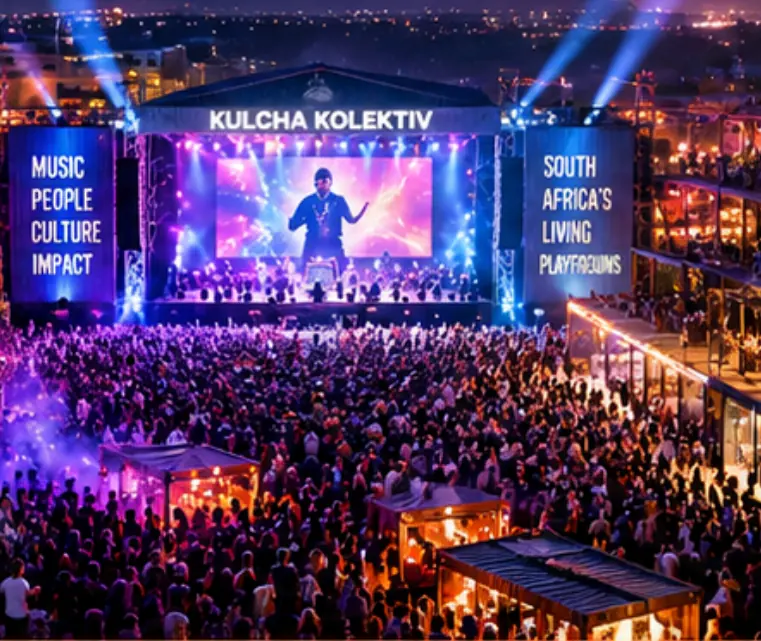
A year-round youth, sport, culture and enterprise precinct that turns the unused edge of a shopping centre into the centre of opportunity: play, create, learn, trade, belong.
Name a court, partner on the stage, the big screen or the digital arena, or back youth development and young traders.
Presence that people take part in rather than just see, and new reasons to visit the centre every week of the year.
A safe place to play and learn, and a route from local talent to trading and formal retail.
Where it stands
Kids come for play. Families stay for the experience. Opportunity happens in between.
The same space works two ways. In everyday mode it is courts, food, a creator market, gaming, learning and family time. In live mode it becomes a stage for music, fan days and cultural events. Commercial activity, from sponsorship and court hire to food and events, is designed to fund the youth programmes, so the precinct can become self-funding over time.
It is modular: start lean, prove demand, then expand. Capital follows evidence.
Education, technology and real-world skills.
Find an interest, build confidence, explore pathways.
Mentoring, coaching and real experience.
Make, build, perform and share work.
Perform, pitch and present to real audiences.
Sell products and services, from a market stall up.
Jobs, internships and long-term opportunities.
Young traders move up a ladder: idea, market stall, pop-up, a container that trades every day, and finally a formal tenancy in the centre. One Flow Connect profile records the journey.
| Partner | What it covers | Amount |
|---|---|---|
| Court naming rights | Your name on a court and its leagues, tournaments and community games. | Scoped with you |
| Stage partner | Music, events and talent showcases on the precinct stage. | Scoped with you |
| Big-screen partner | Live sport and fan days for the whole community. | Scoped with you |
| Digital arena partner | Gaming, coding and creator technology in the Flow Lab. | Scoped with you |
| Youth development | Coaching, equipment, training and pathways for young people. | Scoped with you |
| Young traders | Mentoring, stock, market access and the move from stall to tenancy. | Scoped with you |
Visitor counts and participation would be measured with consent and subject to privacy rules. The site, capacity and partners are subject to feasibility, safety, licensing and approvals.


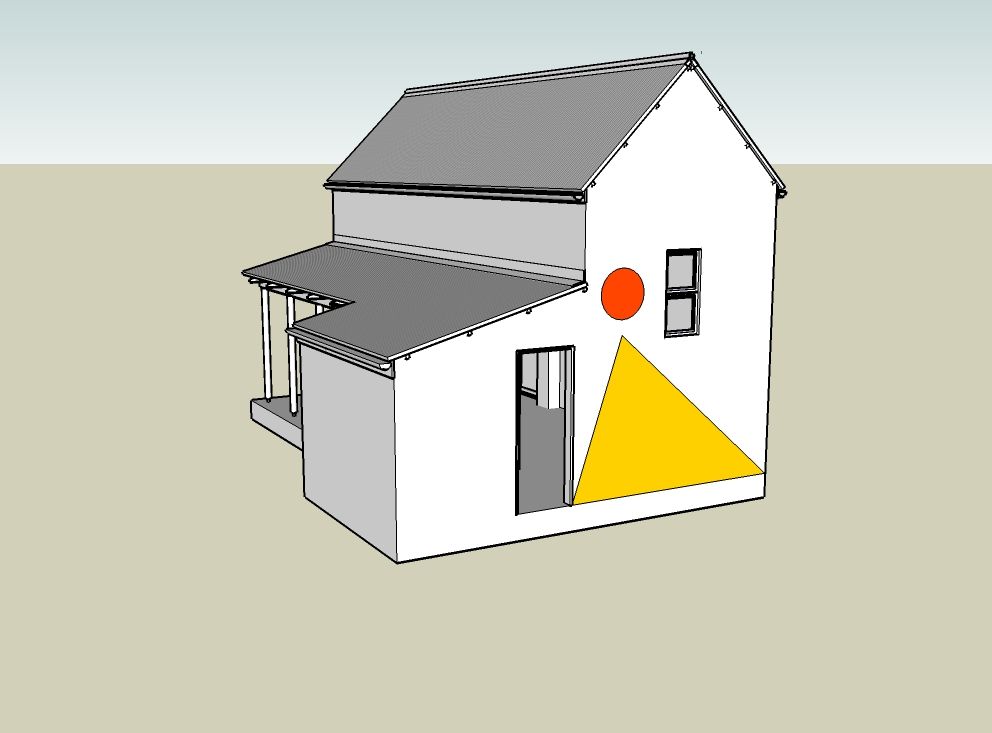
A concept for a compact, dignified home with its own space to grow food, supplied as a kit or installed by a trained local team. Nothing has been built, no site is confirmed and no price is set.
Delivery, materials and funding partners for a feasibility study, then a first pilot home.
A role in testing an affordable, locally built housing model, with costs and results reported openly.
A safe home with a food garden, and construction, installation and maintenance work for local people through Flow Work.
Flow Home is not yet available to buy or apply for, and it does not take donations yet.
Where it stands


The vision

5-a-side football, teamwork, discipline and pathways through sport.
See the opportunity ↗Performance, production and the music economy.
See the opportunity ↗Design, making and enterprise, starting with our own school wear.
See the opportunity ↗
Visual and performing arts as routes to opportunity.
See the opportunity ↗Digital skills and data-free access to learning.
See the opportunity ↗Partners




Hover over or tap a logo for details. Dashed tiles are proposed partnerships and are not named until agreed. Social Wiiv owns the Flow Connect software; Flow does not. Hello Brand is owned by Flow’s chairperson and Social Wiiv is connected to the chairperson; both are declared to partners up front.
Governance
Flow Foundation SA NPC, registration 2017/347558/08. A volunteer board, renewed in December 2024.
Project budgets are published line by line, with progress reporting and site visits. Financial statements are available on request.
Fund a centre, a learning hub or a youth pathway, with clear budgets and reporting from day one.